What is the significance of Jesus being born in a manger?

featured article image

TL;DR:

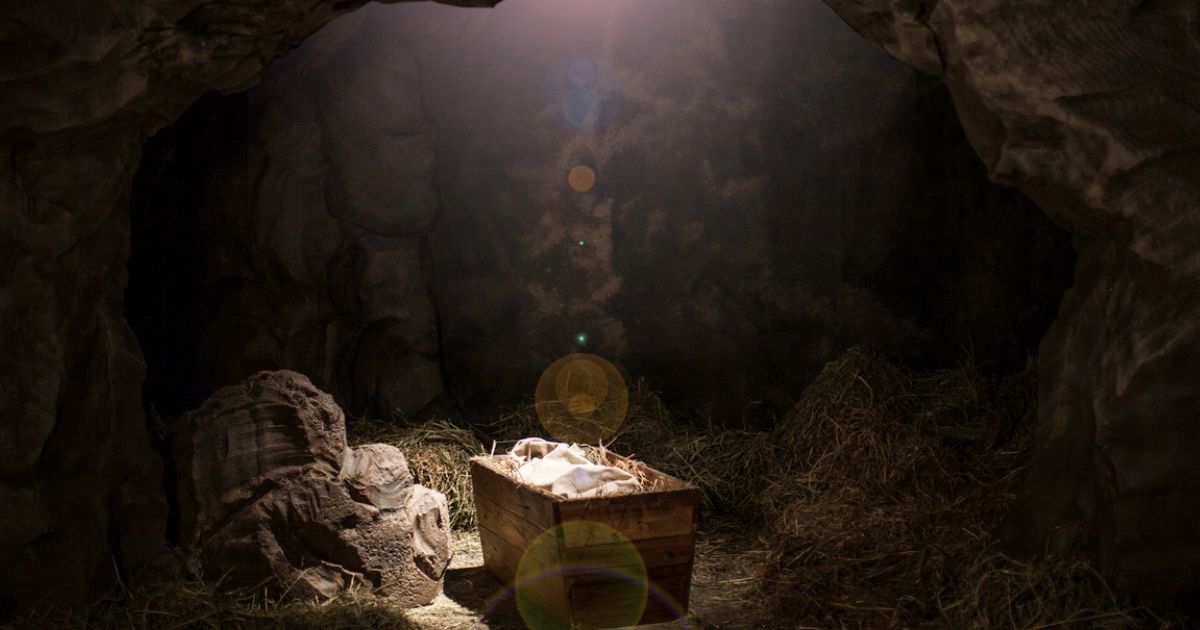
Jesus wasn't actually born in a manger (a food trough for animals). But after Jesus was delivered, his mother did lay Him in a manger after wrapping Him in swaddling cloths.

from the old testament

  • Thousands of years ago, God the Father promised His Son's birth soon after Adam and Eve's sin in the Garden of Eden (Genesis 3:15). Because sin created a rift in mankind's relationship with God, we needed a Savior who would sacrifice Himself as payment for sin. Since the fall of Adam and Eve, God put a plan in motion that would result in the birth, ministry, death, and resurrection of the only Being capable of becoming the perfect sacrifice God's justice and holiness required.
  • Jesus being placed in a manger emphasizes the humility of his birth, a trait that characterize His life on Earth. Many Old Testament messianic prophecies emphasize Jesus’ humility in His humanity (Psalm 22:6-8; Isaiah 53:2-3; Zechariah 9:9)

from the new testament

  • When Jesus's mother, Mary, was pregnant, she was forced to travel to the town of Bethlehem with her husband, Joseph, so their family could be counted in a census of the entire Roman territory (Luke 2:1–5). This fulfilled the Micah 5:2 prophecy saying the Messiah would be born in that city.
  • Some time after they arrived, Mary gave birth to Jesus. The Bible tells us that the reason Mary laid Jesus in the manger was because "there was no place for them in the inn" (Luke 2:7). Though there is some debate as to whether Jesus was born in a house with an area serving as a nighttime shelter or a stable as many suppose (since Jesus was laid in a manger), many houses in that day had a wooden or stone feeding trough for the animals that were brought in against the cold night. If Jesus was born in a house, it is likely that Mary and Joseph were relegated to the lower floor due to the overcrowding in the upper-level guest rooms.

implications for today

Regardless of the exact location of Jesus' birth, Jesus' first bed was an indicator of His nature and purpose. Rather than coming to earth amid fanfare and in plush surroundings, the King of Creation and God's own Son was born among animals, with his very first visitors being lowly shepherds from the fields. This humble King would grow up to one day sacrifice His life on a cross for sinners, rise again, and then return to His Father's side in power and glory. And this humble King invites you to respond to Him, laying down pride and pretense, and trusting in His death and resurrection for the forgiveness of sins. He calls you into a relationship that transforms your heart through forgiveness, reshapes your priorities, and fills your life with His peace and purpose. True greatness is found not in status or wealth, but in humility, faith, and surrender to God’s will.

understand

  • Jesus was laid in a manger due to lack of lodging.
  • Jesus’ birth in Bethlehem fulfilled prophecy and God’s plan of salvation.
  • The manger symbolizes the humility with which Jesus came to the earth to save us.

reflect

  • How does reflecting on Jesus’ humble birth in a manger challenge your own view of greatness and success?
  • In what areas of your life might you need to surrender pride and embrace humility like Jesus modeled from birth?
  • How have you responded to Jesus’ invitation to trust Him and allow His life and sacrifice to transform your heart and priorities?

engage

  • Why would God have chosen such a humble setting for the birth of the Savior of the world?
  • How does understanding Jesus’ humility from birth shape our understanding of His mission and character?
  • In what practical ways can we reflect Jesus’ humility and selfless love in our relationships and lives?