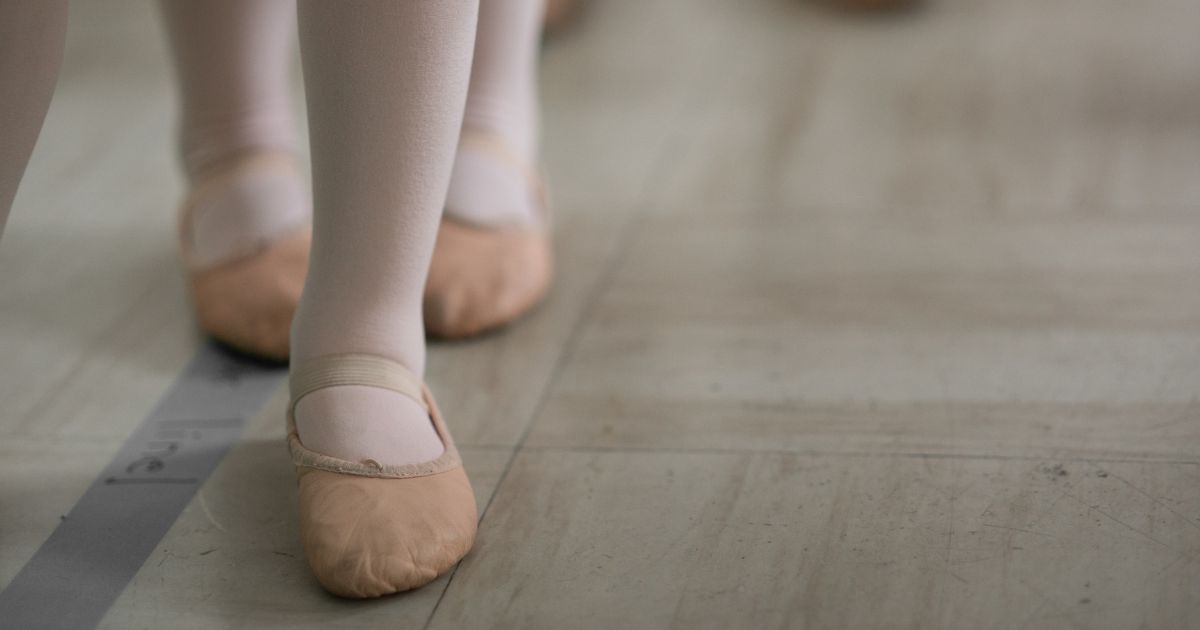
What does the Bible say about dance in worship?

featured article image

TL;DR:

The Bible depicts dance sometimes as part of genuine worship and sometimes as part of sinful circumstances. Every facet of worship, including dancing, should keep the focus on glorifying God, not bringing attention to self.

from the old testament

  • In Exodus 15:20, Miriam, the sister of Moses and Aaron, led the Israelite women in a dance of worship and celebration following the miracle at the Red Sea.
  • David also offers a positive example of dancing during worship. Second Samuel 6:16 states, "As the ark of the LORD came into the city of David, Michal the daughter of Saul looked out of the window and saw King David leaping and dancing before the LORD."
  • The Psalms mention dancing as an expression of worship (Psalm 30:11; 149:3; 150:4).
  • Dancing was also associated with pagan worship (Exodus 32:19).

from the new testament

  • Matthew 11:17 describes dancing as a symbol of joy that accompanied music (also Luke 7:32).
  • Herodias’s daughter’s dancing led to the beheading of John the Baptist (Mark 6:17–28).
  • Although the New Testament describes early church members eating together, dancing is not mentioned (Acts 2:42–47).
  • Jesus warns us to “Beware of practicing your righteousness before other people in order to be seen by them, for then you will have no reward from your Father who is in heaven” (Matthew 6:1). This can also apply to dancing during worship. Our goal should be to call attention to the Lord, not ourselves.
  • With any element of worship, including dance, the Bible advises us that "all things should be done decently and in order" (1 Corinthians 14:40). Neither dancing, nor any other activity, should make the worship service chaotic or take our focus away from God. Each local church can determine how, when, and if to permit dancing, so long as it fulfills a godly purpose.

implications for today

Depending on the generation, “dancing” may bring to mind disco balls or Tik Tok videos. Not many people hear that word and immediately think of church. But the Old Testament shows that dancing was part of worship. And let’s face it: We’ve all probably started tapping our feet when we hear a favorite hymn.

Scripture stresses that our goal in anything—from worship to clothing choice—shouldn’t be to call attention to ourselves (Matthew 6:1; 1 Peter 3:3–4). If your church culture is more sedate, then dancing during worship service can distract others from the main purpose of the service. Worship should be done with reverence, joy, and should keep our focus on the Lord.

A foundational principle for worship—and life itself—is to do everything for God’s glory (1 Corinthians 10:31).

understand

  • Dance in the Bible can be a genuine form of worship.
  • Dance can also be misused, as seen in idolatrous or inappropriate contexts.
  • Worship, including dance, must always glorify God.

reflect

  • What thoughts or emotions influence the way you physically express yourself during worship?
  • How does your church culture shape the way you think about dancing as a form of worship?
  • What helps you discern whether your outward worship, including movement, is drawing attention to God or to yourself?

engage

  • What examples from Scripture help us understand when dance is used to glorify God versus when it becomes a distraction or sinful?
  • How can a worship community create space for joyful expression without losing focus on reverence and order?
  • What factors should believers consider when deciding whether or how to incorporate dance into worship practices?