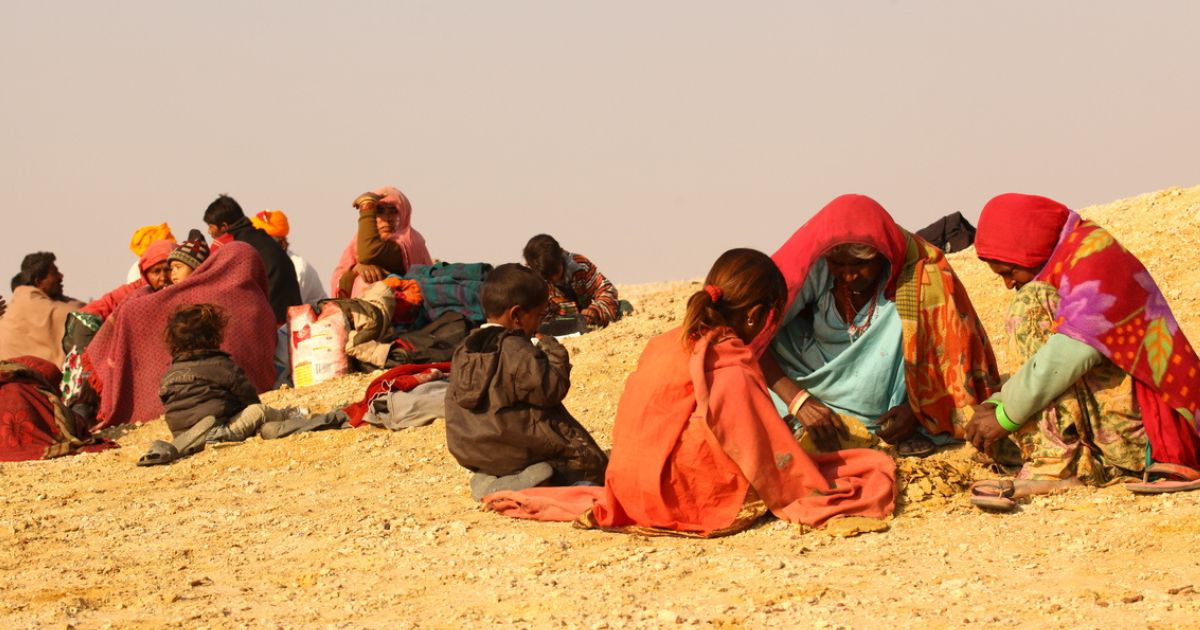
A refugee is a person who has been forced to leave his or her country of residence in order to escape danger. That danger can be from persecution, war, or even natural disaster like drought or famine. Jesus and His family could be considered refugees when they fled to Egypt to escape King Herod’s attempt to kill Him. Unlike most refugees, they had resources, allowing them to travel and stay safely. So, their situation more closely resembles that of asylum seekers or those with temporary protected status, since they intended to return home when it was safe. God’s protection over Jesus’ family demonstrates His care for the displaced and vulnerable. Ultimately, believers in Christ have a lasting, eternal home in heaven, showing that God provides ultimate refuge for those who trust Him.
Most scholars believe Jesus spent about four years in Egypt between the ages of two and six. There was a Jewish community in Egypt during this time, so Mary and Joseph likely found a home among them, but it still would have been a different cultural context than the one they were used to in Judea. They had not chosen of their own volition to immigrate to Egypt, but instead were there only as a result of seeking refuge from an unjust government seeking to kill them back at home.
Because of the desperate situations that cause refugees to flee their homes, most refugees arrive in neighboring nations with little to no resources. Jesus' situation was different. Because the magi had just presented Jesus their gifts of great value, His family likely used these resources to finance their journey to and from, as well as their stay in, Egypt. In this way, Jesus was more like an asylum seeker. Asylum seekers also flee their home countries due to persecution, but they use their own resources to travel to a country of their choosing and then apply for asylum (or protection) from their chosen country.
Both refugees and asylees are normally given long-term legal status with the expectation that the family build a new life in this new land. Since Joseph always intended to return to his home country, perhaps Jesus' family was more likely similar to those with Temporary Protected Status in the U.S. These immigrants are granted only temporary legal status with the expectation that when the situation in their home country resolves, they will return home.
Of course, there is no evidence that Mary and Joseph ever officially sought legal protection in Egypt. They likely used the magi's gifts to finance their escape and then patiently waited until the Lord directed them safely home again after Herod's death. They also technically never crossed an international border as both Judea and Egypt were part of the Roman Empire. Due to the way the Romans set up local governors, Herod had no authority in Egypt and Jesus could remain safe there until Herod's death.
While Jesus and His family were refugees during their time, their circumstances were far different than the ones most refugees face today. Still, God's heart for refugees is evident. God’s care for Jesus and His family shows that He watches over those who are displaced and vulnerable, providing protection and provision even in unfamiliar and dangerous circumstances. Just as He guided Jesus’ family safely back to His homeland, God promises ultimate security and refuge for all who trust in Him. While earthly homes may be uncertain or temporary, believers in Christ have an eternal home in heaven, a place of safety, peace, and rest. This reminds us that God’s heart is for the displaced and that He invites all who are seeking refuge to find their true and lasting home in Him.
 Facebook
 Twitter
 Pinterest
 Email
Email