What did Jesus mean when He said 'This cup that is poured out for you is the new covenant in my blood' (Luke 22:20)?

featured article image

TL;DR:

: Throughout history, God has given humanity covenants by which He conveyed His plan of redemption and revealed His heart for His people. The old covenant was fulfilled with God’s new covenant through the death, burial, and resurrection of Jesus Christ.

from the old testament

  • Traditionally, the Passover meal has a prescribed order (called a Seder) in which Scripture is read, symbolic foods are eaten, and four different cups of wine are drunk, all for the purpose of helping to recall the exodus when God rescued His people out of Egypt (Exodus 11—13). Each cup of wine at Passover represents one of God's promises to rescue His people in Exodus 6:6–7. Two of those cups are drunk before the meal is served and two are drunk after the meal has been eaten.
  • Given the pattern of the Seder, "the cup after they had eaten" would be the third cup, known as the Cup of Redemption. It represents God's promise to the Israelites before the exodus, "I will redeem you with an outstretched arm and with great acts of judgment" (Exodus 6:6).
  • Previously, God had made a covenant with Noah and all living creatures to never again destroy the earth by flood (Genesis 9:9–17). He made a covenant with Abraham to give him descendants who would possess the Promised Land and be a blessing to all the earth (Genesis 12:1–9; 15:1–21; 17:1–27). He made a covenant with David that his descendants would rule on the throne forever (2 Samuel 7:8–16). He also made a covenant with the whole nation of Israelites after rescuing them from Egypt (Exodus 19—24). This covenant is known as the old covenant, the covenant at Sinai, or the Mosaic covenant. Under this covenant, God promised to multiply their descendants (Deuteronomy 30:5), give them possession of the Promised Land (Exodus 23:30–31), make them a blessing to the surrounding nations (Deuteronomy 4:6–8), and be their God and that they would be His people (Exodus 29:45–46).
  • For some of these covenants, these promises were conditional and would happen only if they continued "loving the LORD your God, walking in all his ways, and holding fast to him" (Deuteronomy 11:22). The people failed to do this.
  • Knowing that the people would fail to fulfill their end of the covenant, God comforted His people by promising a new covenant someday (Jeremiah 31:31–34; 32:39–40).
  • God, through the prophet Ezekiel, continued to explain what would come as part of this new covenant: "I will put my Spirit within you, and cause you to walk in my statutes and be careful to obey my rules" (Ezekiel 36:27).

from the new testament

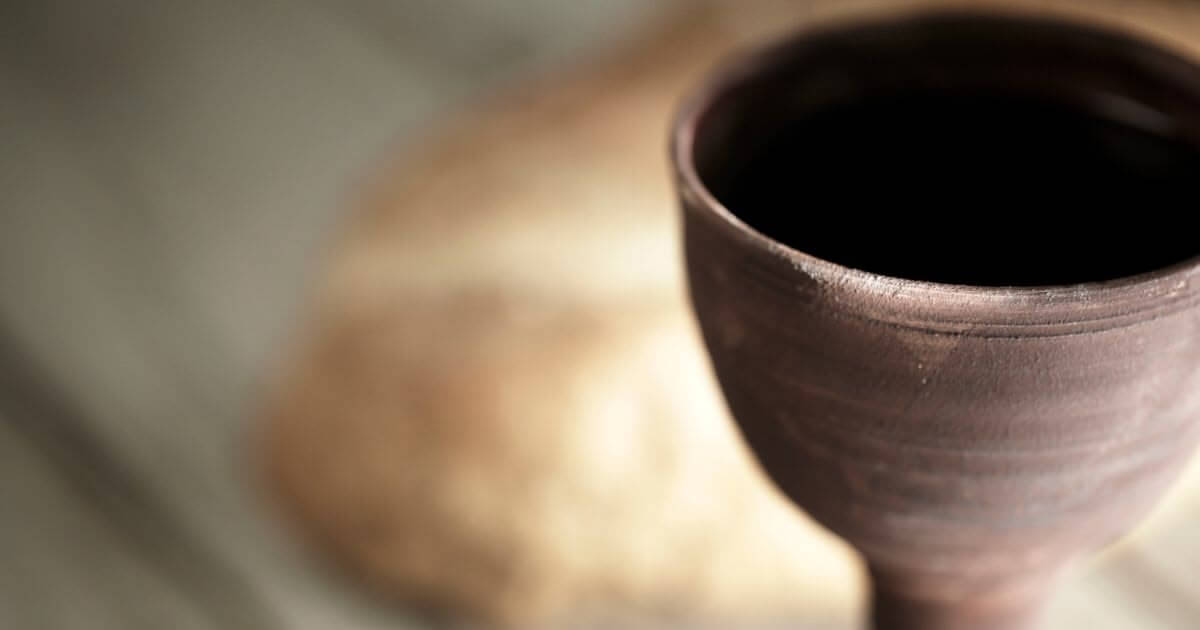
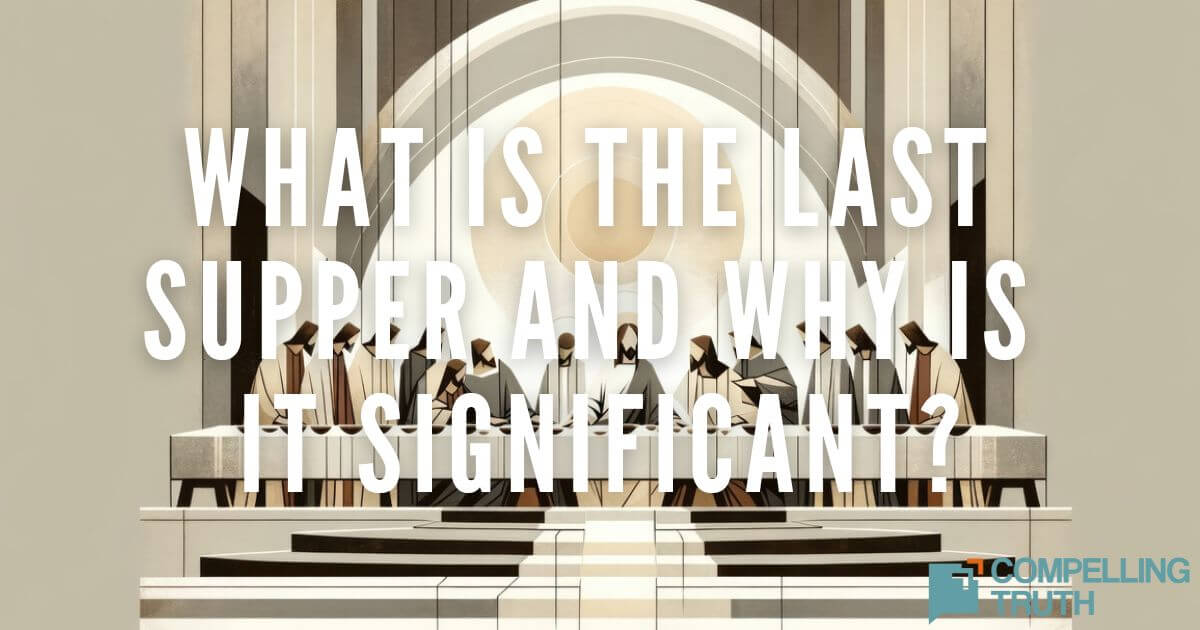
  • Luke records that Jesus, "took bread, and when he had given thanks, he broke it and gave it to them, saying, 'This is my body, which is given for you. Do this in remembrance of me.' And likewise the cup after they had eaten, saying, 'This cup that is poured out for you is the new covenant in my blood'" (Luke 22:19–20). This act symbolized what would usher in the new covenant that He promised long ago.
  • Matthew's account of the Passover meal records that Jesus said, "Drink of it, all of you, for this is my blood of the covenant, which is poured out for many for the forgiveness of sins" (Matthew 26:27–28).
  • We know God "worked in Christ when he raised him from the dead and seated him at his right hand in the heavenly places, far above all rule and authority and power and dominion, and above every name that is named, not only in this age but also in the one to come" (Ephesians 1:20–21). Jesus, a descendant of David (according to his human lineage) is now seated on the throne forever. His covenant has been fulfilled through Christ.
  • As a result of the old covenant being fulfilled through the new one, there is no more need for the law and priesthood of the old covenant. We now have a High Priest forever whose once-for-all sacrifice is available to save all who will believe. Jesus "holds his priesthood permanently, because he continues forever… He has no need, like those high priests, to offer sacrifices daily, first for his own sins and then for those of the people, since he did this once for all when he offered up himself" (Hebrews 7:24, 27).
  • The new covenant brought forth the filling of the Holy Spirit for all who trust in God for salvation, as promised in the Old Testament. Paul explained to the Galatians, "walk by the Spirit, and you will not gratify the desires of the flesh… If we live by the Spirit, let us also keep in step with the Spirit" (Galatians 5:16, 25). God's own indwelling Spirit empowering His people to keep "loving the LORD your God, walking in all his ways, and holding fast to him" (Deuteronomy 11:22) is part of this new covenant.

implications for today

Understanding that the cup referred to the new covenant, we must also understand the role of blood. When a covenant was made between two parties, one customary step in the process was to co-mingle their blood by dripping some blood into a common cup and then drinking from that cup to seal the agreement and symbolize their new relationship. Thus, Jesus offering this Cup of Redemption in His blood was His invitation to His followers to enter this new covenant relationship with Him. Every person can accept this invitation to receive forgiveness, the indwelling Holy Spirit, and a new personal relationship with God by recognizing Jesus' role as your High Priest and allowing Him to reign as King in your life. Understanding the situational context of the Passover Seder, the biblical context of the promise of a new covenant, and the cultural context of blood in making covenants, perhaps now we have a new grasp on what Jesus meant when He said, "This cup that is poured out for you is the new covenant in my blood" (Luke 22:20).

Just as the Israelites longed for the fulfillment of God's promises, we, too, are invited to live in the new covenant relationship with God through Jesus. By accepting Jesus’ sacrifice, we receive forgiveness and the Holy Spirit and are called to live in a way that reflects His reign as King in our lives. The new covenant was a fulfillment of God’s promises and is an invitation to experience transformation, to walk in newness of life, and to share the good news of this covenant with others. As we remember Jesus’ sacrifice by His blood, we are reminded to continually live in the freedom and dynamic relationship with God that this new covenant brings.

understand

  • The cup that was poured out refers literally to a cup of wine at the Last Supper during the Passover celebration before Jesus’ crucifixion. Metaphorically it refers to the blood Jesus shed on the cross.
  • Jesus used the cup that was poured to connect to the blood that He would shed for our sins, fulfilling the Passover symbolism and the old covenant.
  • The cup that was poured reflects the new covenant that began with Jesus’ death and resurrection.

reflect

  • How does understanding Jesus’ blood as the seal of the new covenant impact the way you view your relationship with God?
  • How do you live out the reality of the new covenant in your daily life, empowered by the Holy Spirit?
  • Reflecting on Jesus' sacrifice, how can you better honor Him as both your High Priest and King in your life?

engage

  • How does the new covenant, as instituted through Jesus’ blood, impact our understanding of the Old Testament sacrifices and God’s promises?
  • What are some practical ways we live in the new covenant relationship with God?
  • Consider the historical context of the Passover and the significance of the blood in covenant making. How does this context deepen our appreciation of Jesus' sacrifice for us?