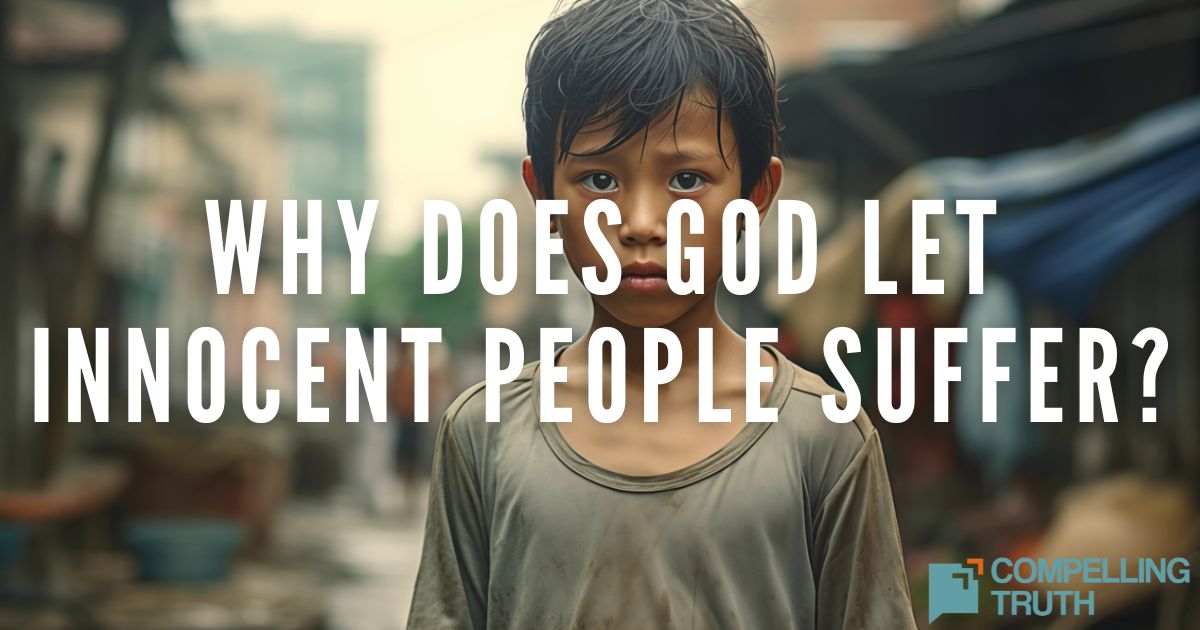
Life is filled with tragedy. Illness, death, natural disasters, crime, and heartbreaking calamities are unavoidable in the world that is plagued by sin. There is meaning in tragedy from a biblical perspective. Tragedy often serves as a catalyst for personal and spiritual growth, deepening our reliance on God and developing our patience and faith (James 1:2–4; 2 Corinthians 1:3–4). It also highlights the imperfection of our current world, pointing us toward the hope of a future redemption and eternal life with God (Romans 8:22–23; Revelation 21:4). Additionally, tragedy drives us to seek God's comfort and maintain our focus on Him, reminding us of the ultimate hope we have in Christ despite our present sufferings (John 16:33; Titus 2:13).
Life on this earth includes tragedy and heartache because of the reality that death and devastation is the result of sin (Romans 6:23). This world is fallen and broken, and tragedy is a reminder of that (Genesis 3). But for those of us who know Christ, tragedy can be a reminder of the stunning reality of the gospel. When we see just how desperate the world is, we better understand how astounding it is that God the Son took on human flesh, dwelt among us, paid the price for sin, and has overcome death (John 1:14; 3:16–18; 1 Corinthians 15:50–58). Tragedy has a way of knitting our hearts to God’s as we grieve the reality of brokenness (Ezekeil 18:23; John 11:35) and our longing for fullness of life in Christ (John 10:10) and final restoration (Revelation 21:1–5) increase. When those around us experience tragedy, we can be tangible reminders of the love of Christ as we share His comfort with them (John 13:34–35; Romans 12:15; 2 Corinthians 1:3–4). The suffering we experience in this world does two other beneficial things. It drives us to our knees in prayer as we seek God's help and comfort, and it develops our patience and dependence on Him (James 1:2–4; Titus 2:13; 1 Peter 1:7).
We may not always see meaning in a specific tragedy, and it may even be difficult for us to put our eyes on God and experience hope. We can come to Him with these honest emotions, as the Psalms so beautifully demonstrate. We can also turn to the Bible to be reminded of the truth of God’s character and nature (Hebrews 12:1–2; 2 Timothy 3:16–17). The family of Christ is crucial in helping us through tragedy as well; so invite community to share your burdens (Romans 12:15; Galatians 6:1–10; 1 Thessalonians 5:14; Hebrews 10:19–25; James 5:13–20).
Tragic events remind us not only that we live in an imperfect and fallen world, but that there is a good God who is in control and loves us and offers something better than the world has to offer. He offers eternal life in a perfect environment where there will be no more tears, no more pain, and no more sorrow (Revelation 21:4). He offers true satisfaction that lasts for eternity and impacts everything we go through. Seeing the brokenness of this world shows us that this is not how the world was meant to be. God is good, and what He made was good. But following our own way, sin, brings death and devastation. Still, death will be vanquished one day (Revelation 20:6, 14). One day, we will be face to face with the Lamb of God who loved us and sacrificed Himself so that all who believe in Him will enjoy His presence in heaven for eternity (Revelation 21:3). Until that day, we look to our good God to make sense of tragedy, knowing that He also grieves and is right there with us. The brokenness of this world must lead us to God who alone is good, and who is bigger and stronger than the darkness. He is the only One who can redeem, restore, and bring lasting hope even in the midst of tragedy.
 Facebook
 Twitter
 Pinterest
 Email
Email