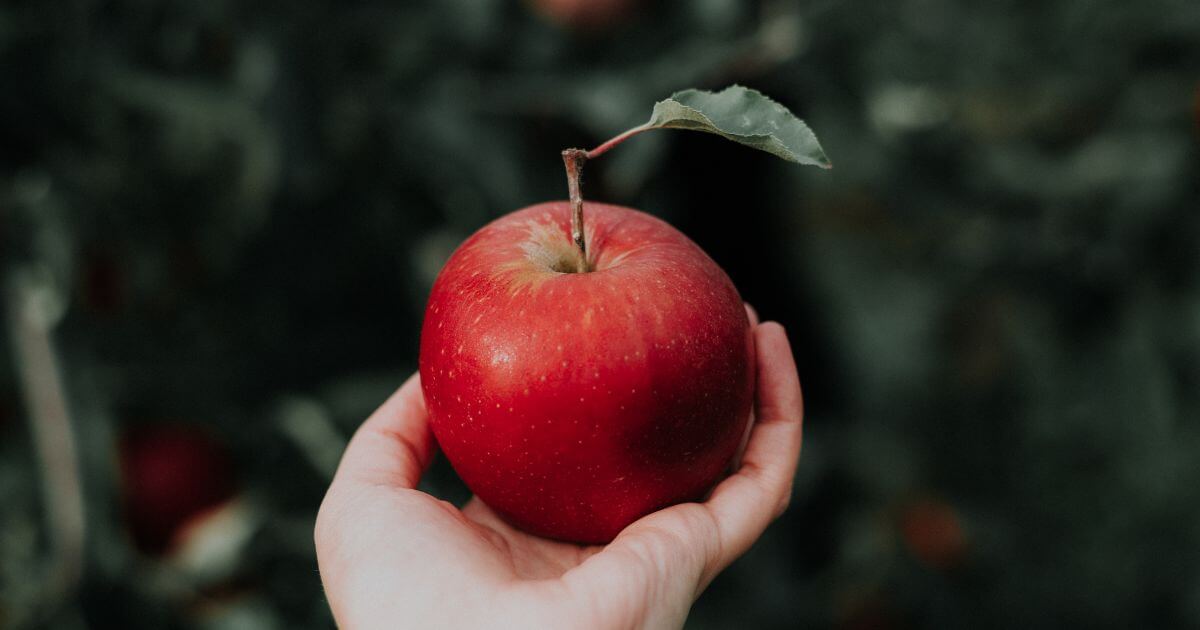
Was Adam and Eve's sin really about eating forbidden fruit?

featured article image

TL;DR:

Adam and Eve’s sin was not because of the fruit they ate; rather, the choice to eat the forbidden fruit symbolized a deeper issue of disobedience and desire for autonomy, rejecting God's authority. We are called to trust in God's wisdom and live in obedience to Him, finding true freedom and joy within His design and commands.

from the old testament

  • God had given Adam dominion over all the animals and access to all the trees in the Garden of Eden except one (Genesis 1:26-28). Apart from meaningful choice, there is no depth of relationship. There would be no true love between God and humans if people were not free to choose against God. Forbidding the fruit from the tree of the knowledge of good and evil was not an act of cruelty; it was an offer for true relationship based on free will (Genesis 2:16-17).
  • When Eve believed Satan's lies and Adam followed her, the couple chose to trust their own independent reasoning and sense perception over God's Word (Genesis 2:15–17; 3:1–7). They ate the forbidden fruit because they saw it was good for food and pleasing to the eye, despite God's command and His warning about the consequence. They did not honor God for who He is and instead treated themselves as their own gods.

from the new testament

  • In eating the fruit, Adam and Eve gained experiential knowledge of evil. Their sin immediately resulted in spiritual death and shame. They were separated from God and all of humanity would be born in sin and separated from God (Romans 3:10–12; John 3:16–18; Ephesians 2:1–10). As a result, Adam and Eve also experienced a break in their relationship with one another and a break in their relationship with creation. The fall has affected our entire world.

implications for today

Adam and Eve's eating of the forbidden fruit did not change God's character or His heart. He knew even before creating them that they would sin. Yet He still chose to create, out of love. He also provided a means by which all people can be saved from sin—Jesus Christ. Romans 5:19 tells us, "For as by the one man's disobedience the many were made sinners, so by the one man's obedience the many will be made righteous." Jesus is referred to as the second Adam. He is fully God and He took on human flesh, becoming fully human as well. Jesus Christ obeyed God perfectly and paid the sin-debt we have incurred through His death. He conquered sin and death through His resurrection. Any who put their faith in Him can be free from condemnation (John 3:16–18). In Adam we fell under the curse of sin and death; in Christ we are raised to eternal life (John 3:36). Truly, the sin of Adam and the obedience of Christ are two of the most cosmic events in the universe, affecting the entire human race.

understand

  • Adam and Eve’s sin was not about eating the forbidden fruit but about choosing autonomy over obedience.
  • Adam and Eve’s disobedience and rebellion introduced sin and spiritual death to humanity.
  • God provided salvation through Jesus, the "second Adam," who restored what was lost through Adam’s disobedience.

reflect

  • How do you see the desire for autonomy playing out in your own life?
  • How can you practically trust in God’s wisdom and live in obedience to Him today?
  • How does the concept of true freedom within God’s design challenge or comfort you in your walk with Christ?

engage

  • What specific lies did Eve believe about the forbidden fruit, and how do these lies reflect the broader temptation for autonomy today?
  • How does the concept of choosing autonomy over obedience continue to impact human relationships and our relationship with God today?
  • How does understanding Adam and Eve’s sin as a choice for autonomy and not about simply eating forbidden fruit influence our view of original sin and the human condition?