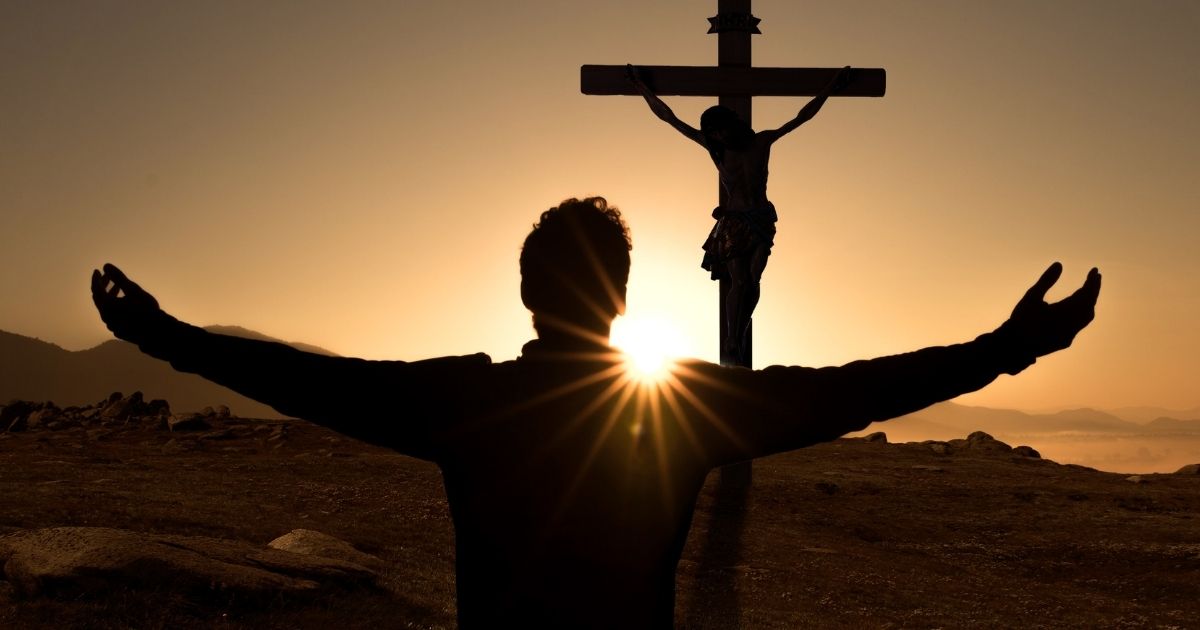
When we say that Jesus died for our sins, it means He took the punishment we deserved because of our wrongdoing, offering Himself as a substitute so we could be forgiven and reconciled to God. Sin separated us from God (Genesis 3:23-24; Isaiah 59:2; 2 Thessalonians 1:9). Old Testament Mosaic Law only temporarily atoned for sin, which is why it had to be continually repeated (Leviticus 16). Those sacrifices pointed to the ultimate sacrifice of Jesus Christ; His suffering and death paid for our sins (Isaiah 53; Psalm 22: 2 Corinthians 5:21). His death fulfilled the Old Testament system of sacrifices, providing a perfect, one-time atonement for humanity’s sin. By trusting in His death and resurrection, we are no longer held accountable for the eternal consequences of our sins and we gain access to a restored relationship with God (John 3:16). This act of sacrificial love demonstrates God’s deep commitment to humanity and opens the way for eternal life. Jesus dying for our sins means that we can be forgiven and restored to relationship with God for all eternity.
Jesus dying for our sins shows His incredible love for us. It demonstrates that God values His relationship with humanity so deeply that He was willing to take on the punishment for our wrongdoing Himself. This love is not distant or abstract—it is personal, intentional, and sacrificial. Reflecting on this can transform how we view God, inspiring gratitude, awe, and a desire to respond to His love by living in a way that honors Him.
Jesus dying for our sins also shows that we can be forgiven and not held responsible for the eternal weight of our sins. No matter the mistakes we have made or the burdens we carry, His sacrifice opens the way for reconciliation with God. All who trust in Christ’s death and resurrection find forgiveness and restored relationship with God. Instead of facing separation from God because of our sin, we are granted the gift of eternal life through faith in Him. This assurance gives us peace in the present and hope for the future, allowing us to live confidently and boldly as His children. It also encourages us to share this message of hope and grace with others, pointing them to the forgiveness and freedom found in Christ.
 Facebook
 Twitter
 Pinterest
 Email
Email