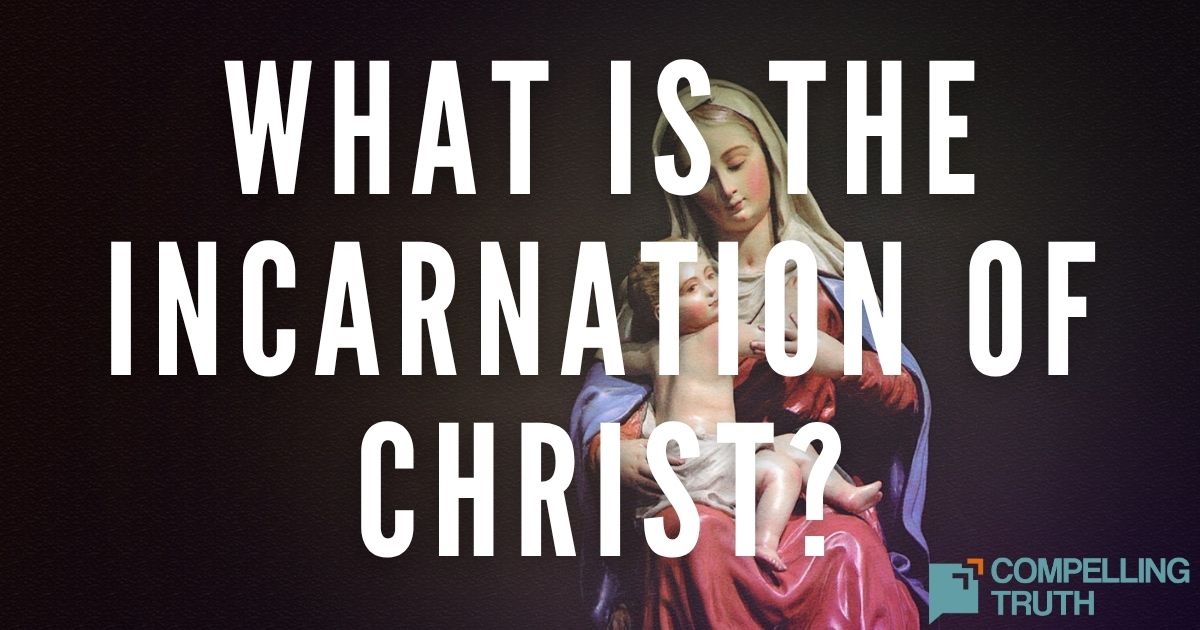
Being incarnate means taking on flesh and becoming embodied in human form. In Christianity, it describes the eternal Son of God becoming fully human while remaining fully divine (Colossians 2:9). John teaches that the Word, who is God, became flesh and revealed God’s nature through Jesus (John 1:1, 14, 18). Paul explains that the Son humbled Himself by taking our nature and obeying to the point of death for our salvation (Philippians 2:6–8). Because He shared our humanity, He acts as a merciful High Priest, makes atonement for sins, and defeats the power of death through His own death (Hebrews 2:14–17).
The New Testament highlights His humanity: He was conceived and born (Matthew 1:18; Luke 2:7); grew in wisdom and stature (Luke 2:52); experienced thirst, fatigue, grief, and anguish (John 4:6; Matthew 26:38); and died then rose bodily (Luke 23:46; Luke 24:39). Still, His deity is clear: He bears the divine name (John 8:58), was active in creation (John 1:3), and can forgive sin (Matthew 9:6). Because He is both God and man, confessing that Jesus Christ is God incarnate is a key test of true faith (1 John 4:2; 2 John 1:7).
The wonder of the incarnation is that the eternal God entered our world as a man. Jesus shared in our weakness, facing hunger, pain, and temptation, yet He did so without sin. That means He not only understands what you experience, but He lived the perfect life no one else could live.
All people are sinners by nature and by choice, separated from God and unable to bridge the gap on their own. No amount of effort or good works can erase guilt or undo the offense against a holy God. This is why a Savior was needed—someone truly human who could represent us, yet without sin, and someone truly divine whose sacrifice had infinite worth.
On the cross, Jesus bore the judgment we deserved, taking the penalty of sin in our place. His resurrection proved that death was defeated and that forgiveness is now offered to all who believe. To receive this salvation, you must turn from sin and place your trust in Him—believing that His death was for you and that His risen life secures your hope.
This is why the incarnation matters: God Himself came near so that you could be forgiven, reconciled, and welcomed into His kingdom forever. Today, He calls you to repent and believe in Jesus, the Savior who knows you and has the power and willingness to save you.
 Facebook
 Twitter
 Pinterest
 Email
Email